Understanding Supplement Labels: A Simple Reading Guide
A supplement label is packed with useful detail, and once you know where to look, reading it becomes quick, easy and even enjoyable.
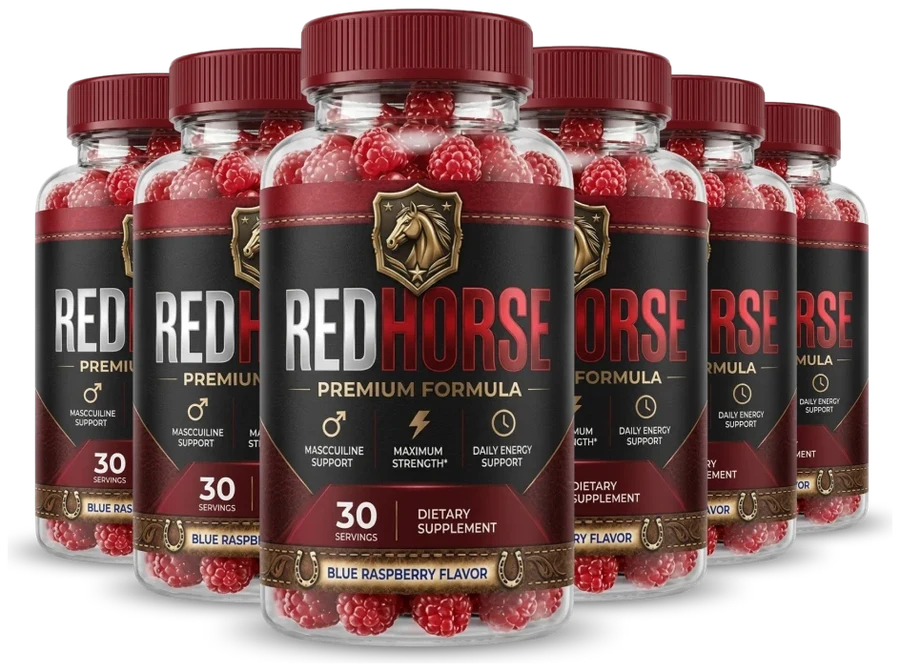
Use this walkthrough to read any bottle with confidence, starting with the Red Horse label.
Why Label Literacy Pays Off
A supplement bottle tells you a great deal in a very small space. Men who take a minute to read it properly buy with more confidence and build routines they trust. You do not need a science degree. You only need to know the handful of sections that matter and what each one is telling you. Let us walk through them, using one familiar bottle as a friendly example.
Start With the Supplement Facts Panel
The Supplement Facts panel is the heart of the label, and it is required on dietary supplement bottles in the United States. On the Red Horse bottle, the panel is printed right on the bottle, so everything you need is in your hands the moment the package arrives. Here is what to look for.
Serving Size
This tells you what counts as one serving and how many servings the container holds. This bottle holds 30 gummies, and the directions call for one gummy daily, which means one bottle equals a month of servings. Always compare products on a per-serving basis, not by bottle size alone.
The Ingredient Listing
The panel names each active ingredient so you can see what the formula actually features. It includes L-Arginine, Tongkat Ali, Maca root, Ashwagandha, Horny Goat Weed (Epimedium), Beet root and Grape seed extract. These are ingredients traditionally associated with circulation support, vitality, stamina and sustained energy. When you meet an unfamiliar name, our ingredients page and individual guides such as Tongkat Ali help you get to know it.
Learn the Language of "Other Ingredients"
Below the main panel you will usually find a line of other ingredients. In a gummy, this is where you find the elements that give the product its texture, color and flavor, such as the components behind a blue raspberry taste. Reading this section tells you what makes the gummy a gummy, and it is also helpful if you have personal dietary preferences. The gummies are gluten-free and non-GMO, two details many shoppers actively look for.
Decode the Quality Language
Beyond the panel, labels often carry statements about how and where a product was made. These are worth a glance because they hint at the standards behind the bottle.
- Made in the USA: tells you where production takes place.
- FDA-registered facility: the manufacturing site is registered with the agency that oversees the industry.
- GMP certified: Good Manufacturing Practices describe consistent, well-documented production processes.
- Gluten-free and non-GMO: useful claims for shoppers with specific preferences.
The Red Horse bottle carries each of these, which is part of what makes it a premium formula you can feel good about adding to your day.
Watch for Proprietary Blends and Marketing Language
Some labels group ingredients under a single blend name. That is not automatically a negative, but it is worth understanding how the label is organized. Likewise, bold front-of-bottle phrases are marketing, while the back panel is the factual record. Train your eye to move from the front of the bottle to the panel. Honest, well-structured labels make that jump easy.
Directions for Use Matter
Every label includes directions. For this bottle, the direction is beautifully simple: one gummy daily, ideally at the same time each day. Following the directions on the bottle is the foundation of a good routine. If you are building a habit, our guide to taking gummies daily offers practical tips for sticking with it.
A Quick Label Checklist
- Find the serving size and servings per container.
- Scan the ingredient names and look up any you do not recognize.
- Read the other ingredients line for texture and flavor components.
- Look for manufacturing statements such as GMP and FDA-registered.
- Confirm the directions match the routine you want to follow.
Reading Ingredient Names with Confidence
Botanical ingredients can appear under a few different names, and knowing the common ones saves time. Horny Goat Weed is also called Epimedium, and our Epimedium guide explains the connection. Maca root refers to the Andean root vegetable that has long been enjoyed in traditional diets, while Beet root is the familiar red vegetable in concentrated form. Grape seed extract comes from the seeds left over from grape pressing. Learning these names makes every future label feel familiar rather than intimidating.
Compare Apples to Apples
When you weigh two bottles side by side, line up the same sections on each: serving size, servings per container, ingredient names and manufacturing statements. Price per serving is a handy yardstick, and with a month in every bottle it is easy to work out. The brand you can read most clearly is often the one with the most confidence in what it has put inside.
Where to Learn More
For friendly, plain-language explanations of dietary supplement ingredients, the NIH Office of Dietary Supplements fact sheets are an excellent starting point. Once you know how to read a label, every bottle you pick up becomes easier to evaluate.
Curious how it reads in person? Visit the Red Horse order page, choose your bundle and see the label in person, with a 60-day satisfaction promise behind your order.